
Grand Juries at the End of 2025
2025 has been a rough year for the federal Department of Justice. The Department has historically had a conviction rate of around 95%. This year, though, the Department has suffered several setbacks, beginning with grand juries rejecting recommended indictments by federal prosecutors.
The Department’s most recent event occurred last month when a federal judge dismissed the cases against former FBI director James Comey and New York Attorney General Letitia James because the lead prosecutor was not confirmed by the Senate. However, the case against Director Comey was already on life support when the lead prosecutor affirmed in court that only two grand juror members had voted on the final indictments rather than all 23 members of the grand jury present.
In August, federal prosecutors failed to convince a grand jury to indict a man with a felony for throwing the salami sub sandwich. Prosecutors failed to convict that same man of a misdemeanor in November. In Chicago, a federal judge dismissed charges against a Chicago woman brought by federal prosecutors for domestic terrorism. The case was dismissed after text messages by federal ICE agents confirmed that the agents had shot the woman at least five times after the woman honked her horn at them.
What Is a Grand Jury?
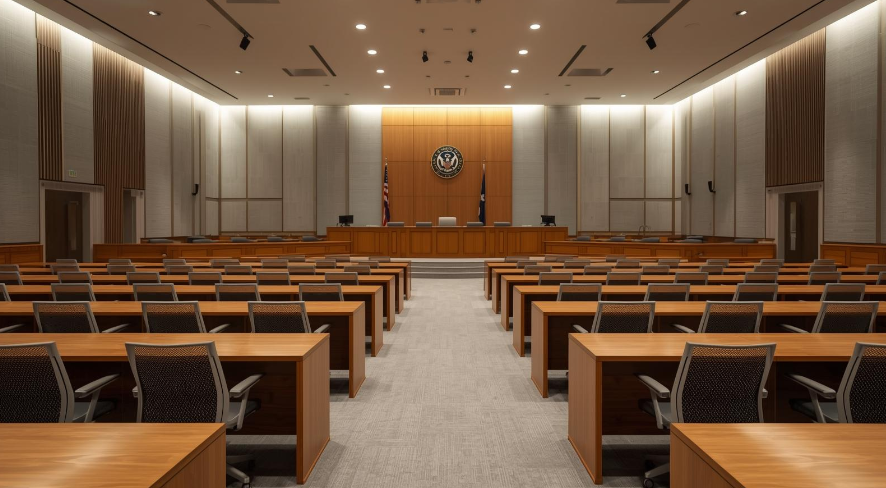 A grand jury is a group of jurors between 12 to 23 people that votes on whether a suspect can be criminally indicted. The grand jury listens to the evidence presented by a government prosecutor and determines if there is probable cause to indict a suspect with a crime. The grand jury is chosen from a regular pool of jurors. Depending on the jurisdiction, a grand jury may sit for an extended period of time, such as from a month up to a year.
A grand jury proceeding is different from a regular jury trial in several respects. First, only the criminal prosecutor and court reporter are permitted to be with the grand jury. The judge, criminal suspects, and defense lawyers are not present. Second, many jurisdictions do not require unanimity for an indictment. All criminal trials require all jurors to vote guilty for a conviction. For a grand jury, though, many jurisdictions require less than 100% of the jury to indict a defendant. In federal courts, for instance, only 12 out of 23 jurors are required to vote for an indictment. Finally, grand jury proceedings and deliberations are usually secret and may only be released upon court order.
Why are Grand Jurors Rejecting Indictments Now?
Grand jury deliberations, like regular jury deliberations, are secret. Attempting to guess why a specific jury decided the way it did would be pure speculation. However, grand juries, like regular juries, are to consider the elements of each charge and ensure there is sufficient evidence to meet that element.
While a jury must consider whether the evidence is convincing beyond a reasonable doubt, a grand jury only has to consider whether the evidence presented is sufficient to establish probable cause. If a grand jury refuses to give an indictment on a specific charge, it can be assumed that the grand jury believed there was insufficient evidence to establish probable cause as to that charge.
Should Grand Jurors Reject Indictments?
The old saying is that a federal prosecutor could convince a grand jury to indict a ham sandwich. This may no longer be true, since grand juries are putting greater scrutiny on the indictments that prosecutors are putting in front of them. The Attorney General and the White House are not taking these failures well, accusing the judges and jurors of being biased or supporting criminals. This may not be the strongest strategy since most jurors, who are only ordinary citizens, are taking time out of their otherwise busy lives to perform this public service.
All jurors perform the important task of analyzing evidence and ultimately rendering judgment. Grand jurors in particular are the first step in the federal criminal process and should be respected by prosecutors and defendants alike for the important constitutional role that they serve.
Do I Need a Criminal Defense Lawyer?
A criminal defense attorney can help you build your case and represent you during all the phases of a criminal trial. The emotional benefits include some sense of relief that your attorney is on your side.

Comments